Building Client Trust Online: Digital Branding Tips for Professionals
- Tlotlo Mosetlhe
- June 23, 2025
- Blog, Business Development, Careers, Law Firm Marketing, Local SEO, Medical Practices, Our partners, Search Engine, Seo & Marketing, Social Capital, Social media Selling
- Client Trust, Content Marketing, Digital Branding, Online Reputation, Professional Branding, Reputation Management, Visual Identity
- 0 Comments
Understanding the Importance of Client Trust in the Digital Age
For every business or brand, trust starts online. Whether you’re a lawyer, a doctor, or any kind of professional working in a high-stakes field, your digital presence speaks for you long before you ever meet a client. And what it says can make or break that first impression.
In fields where credibility isn’t optional—where people’s health, freedom, or finances are on the line—trust isn’t a nice-to-have. It’s everything. A strong, consistent digital brand isn’t just about looking polished. It’s about showing people they can count on you. It signals that you take your work seriously, that you know what you’re doing, and that you’re someone who holds yourself to high standards.
The reality is, one misstep online—an outdated website, a tone-deaf post, a bad review left unaddressed—can chip away at your credibility fast. That’s why being intentional about your online presence isn’t optional anymore. It’s part of doing the job right.
Crafting a Consistent and Authentic Digital Brand Identity
Building a digital brand that feels both consistent and authentic isn’t just a nice-to-have—it’s essential if you want to earn lasting trust from the people you serve.
It starts with getting crystal clear on what sets you apart. What do you offer that others don’t? Why should someone choose you over the next name on the list? That unique value—your real point of difference—needs to be front and center in everything you share online. Just as important is the tone you use. Whether your voice leans toward calm authority, empathetic guidance, or forward-thinking innovation, it should reflect who you are and what your practice stands for—and it needs to stay steady across every touchpoint.
But branding isn’t just about words. Visual identity plays a huge role, too. Your logo, color scheme, typography, even the way your site is laid out—they all send a message before a visitor reads a single sentence. If those visual cues feel scattered or off-brand, it creates friction. But when they’re cohesive and well thought out, they instantly signal professionalism and build confidence.
At the heart of all this is authenticity. In a world full of polished marketing speak and overhyped promises, what people are looking for is something real. Messaging that feels honest and grounded resonates more deeply. Every word, image, and interaction either reinforces or undermines your credibility.
Branding isn’t just about being noticed. It’s about being remembered—and, more importantly, being trusted. When your digital identity reflects both who you are and what you stand for, you create a sense of reliability that clients don’t just recognize—they rely on.
Optimizing Your Online Presence for Maximum Trustworthiness
If you’re trying to build trust with clients, your online presence needs to be solid. Full stop.
It starts with your website. This is often the first place people go when they’re considering working with you. It should be clean, easy to navigate, and reflect what you do and who you are. A well-structured site doesn’t just show off your expertise—it gives people a reason to feel confident in you.
Social media also plays a big role. Used right, it’s not just about staying visible—it’s a way to show people how you think, what you care about, and how you work. When your posts are thoughtful, consistent, and relevant, they help reinforce that you’re someone worth listening to. It’s not about going viral—it’s about being present and real.
One thing you can’t afford to overlook is performance. If your website is slow to load or doesn’t work well on a phone, people notice—and not in a good way. A frustrating experience online can make someone question how professional or reliable you are. Making sure your site works smoothly on all devices isn’t just good design—it’s basic trust-building.
Everything from your website to your social posts should work together to give people a clear, trustworthy picture of your brand. When it all feels aligned and dependable, that’s when trust starts to grow, and real client relationships can begin.
Creating Valuable and Transparent Content to Engage Clients

Sharing content that helps your audience is one of the most effective ways to build trust online. When you take the time to explain something clearly, break down a complex issue, or speak directly to the challenges your clients are facing, you show that you know your stuff—and that you’re willing to share that knowledge without strings attached. That kind of transparency stands out.
It’s not just about showing expertise. It’s about being open. Real-world examples—like case studies, testimonials, or success stories—go a long way. They let people see what working with you looks like. In fields like law or healthcare, where the stakes are high and trust takes time, this kind of honesty is crucial.
And don’t limit yourself to one format. Some people will read a blog post, others would rather watch a short video, and some might want to dive into a webinar. Using a mix of content helps you reach more people, in ways that feel natural to them. It also gives your brand more dimension—it’s not just words on a screen, but a voice, a face, a presence they can get to know over time.
What matters is that your content feels real, useful, and consistent. That’s what builds trust. And when people trust you, they’re more likely to reach out—and stick around.
Implementing Effective Communication Strategies for Trust Building
Good communication plays a big role in building and maintaining trust with clients. When you reply to questions in a timely, clear, and personal way, it shows that you’re paying attention and that you care. People notice that—and it helps them feel more comfortable relying on you. This kind of consistency goes a long way when it comes to your reputation online.
Email is still a useful tool for staying connected. When you send updates or content that is helpful and relevant, it reminds clients that you’re knowledgeable and committed to keeping them informed. Over time, that steady communication helps build stronger, more lasting relationships.
How you handle reviews and feedback also matters. Whether someone is offering praise or pointing out a problem, responding in a respectful and thoughtful way shows that you take their experience seriously. In fields where trust is of paramount importance—like legal or medical work—this kind of response can either build or break confidence. When you handle criticism with care and stay open to improving, people are more likely to see you as someone they can trust.
All of this—clear communication, steady updates, and honest engagement—helps create a solid foundation for long-term client relationships.
Maintaining and Protecting Your Digital Reputation
Your online reputation isn’t something you can set and forget—it needs regular attention. Keeping an eye on what’s being said about you or your work online helps you catch any issues early and respond before they grow into something bigger. It also shows that you’re engaged and care about what your clients or audience think.
When negative feedback comes up, it’s important to handle it calmly and professionally. Dismissing criticism outright can do more harm than good. Instead, taking the time to listen and respond thoughtfully can go a long way in building trust. It shows you’re willing to learn, improve, and prioritize the people you serve. Using feedback to guide small changes in how you present yourself or deliver your services helps keep your brand relevant and resilient. Over time, patterns in what people are saying can give you valuable insight into what’s working and what might need adjusting. This kind of flexibility helps you stay aligned with what clients expect, and keeps your reputation strong.
In short, staying active and responsive online isn’t just about damage control—it’s about showing up, staying connected, and growing with your audience.
Leveraging Technology and Tools to Enhance Client Trust
Technology plays a big role in how you stay organized and connected with clients. Something as straightforward as a CRM system helps you keep track of who you’ve spoken to, what you’ve discussed, and what matters most to them. It makes following up easier and more personal, which people appreciate. It’s not about fancy features—it’s just a useful way to show clients that I’m paying attention.
Protecting client information is another thing you should take seriously. Whether it’s billing details or something more sensitive, you need to ensure that the tools you use are secure and that clients know their data is in safe hands. In law or healthcare, this isn’t optional—it’s part of showing basic respect and professionalism. You may also use tools like chatbots or automated messages for common questions or after-hours support. They’re not a replacement for real conversations, but they help people feel heard when I’m not available right away. The key is to use them in a way that still feels human.
At the end of the day, the aim is to keep technology in its place—as a support, not a substitute. When used with care, it helps you deliver better service and stay focused on what really matters: the people you work with.
Measuring the Success of Your Digital Branding Efforts
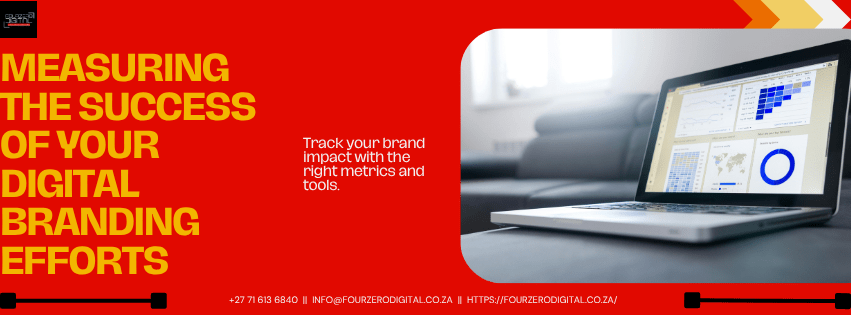
To know if your digital branding is working, you need to look at the numbers. Things like how people are engaging with your content, what they’re saying about you online, and whether those interactions are turning into real client actions can give you a clear picture of where you stand.
Tools that help you track these patterns make it easier to spot what’s connecting with people—and what’s not. This is more emphasised in fields like law or healthcare, where your reputation needs to be solid and trustworthy at all times. It also helps to set goals that actually mean something to your work. For example, aiming to get more client testimonials or improving how quickly you respond to messages can show that you’re moving in the right direction.
Being consistent with this kind of tracking helps you shape a digital presence that feels reliable and real. It also shows clients that you care about doing better, staying relevant, and building relationships that last.